Dinosaur Jr. remains one of the most influential guitar bands to emerge from the American underground in the 1980s, bridging the gap between noise rock and melodic indie. Known for their dense distortion, fragile vocals, and unexpectedly expressive guitar solos, the band helped define a sound that sat at the intersection of indie rock, alternative rock, and noise rock. Their music felt raw yet melodic, abrasive yet emotionally subtle—a combination that made them stand out immediately upon their formation in Amherst, Massachusetts.
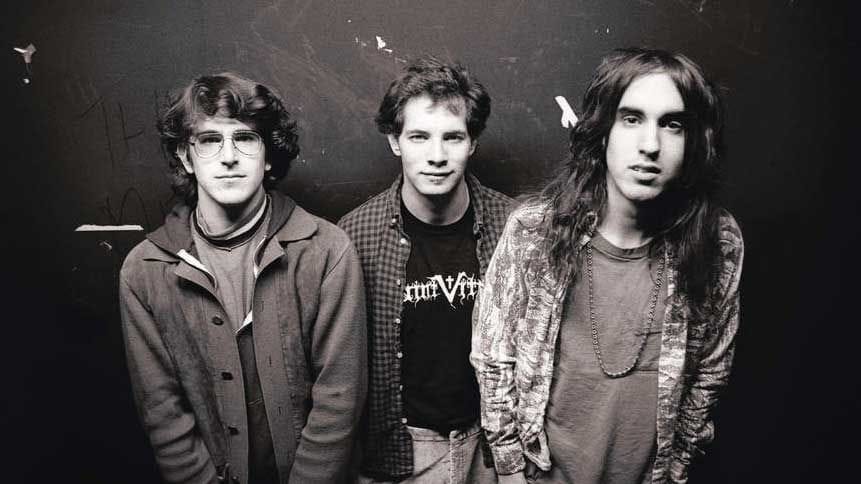
The band’s foundational lineup featured three distinct personalities whose chemistry shaped its earliest records. J Mascis served as the primary songwriter and sonic architect, bringing a vision centered on fuzz, sustain, and long guitar solos. Lou Barlow added an emotional and restless energy, while Murph provided the loose but powerful rhythmic foundation.
This dynamic was essential to their identity. Mascis represented control and guitar precision, Barlow brought tension and vulnerability, and Murph held the massive volume together. The result was a band that felt volatile in the best possible way, particularly on their debut offerings.
The music of Dinosaur Jr. is built around several unmistakable traits that revolutionized the genre.
Their songs rely on heavy fuzz, feedback, and sustain. Mascis uses tone like a lead character, and his Fender Jazzmaster became the visual and sonic icon of the band’s identity. While 80s indie rock often shunned guitar heroics, Mascis embraced long, expressive leads that brought a Neil Young-style emotionality back to the underground.
Mascis sings in a soft, weary, almost disinterested tone that sits against the intensity of the instrumentation. This contrast gives their songs a unique emotional shape. While tracks often follow a simple verse-chorus format, they frequently build toward explosive guitar breakdowns that feel spontaneous and expressive.
The history of the band is a rare example of a creative arc that has remained vital for over four decades.
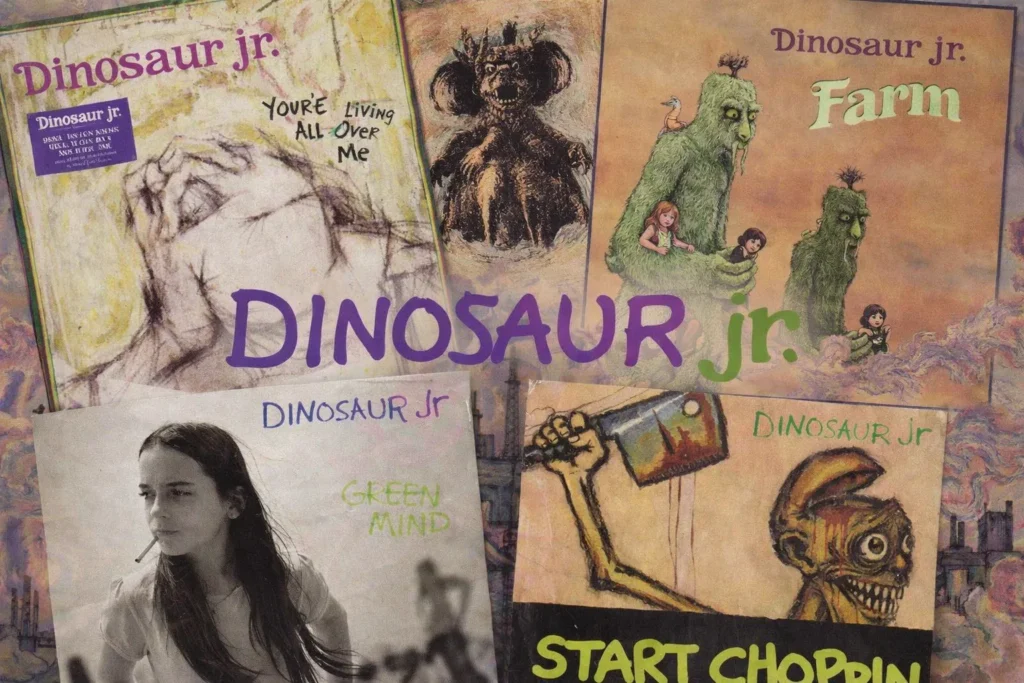
The band quickly became a powerhouse in the underground scene. Their early albums, especially You’re Living All Over Me and Bug, are considered essential listening. During this period, they helped establish the “loud-quiet-loud” dynamic that would later define the 1990s through bands like Nirvana and the Pixies.
By 1989, Lou Barlow had left the band (later founding Sebadoh), and the project transitioned into a phase centered more fully around Mascis. Albums like Green Mind and Where You Been showed that Mascis could steer the group in a more polished, accessible direction without sacrificing the guitar-heavy core.
Since reuniting the original trio in 2005, the band has defied the “nostalgia act” trope. Albums like Beyond, Farm, and Sweep It Into Space proved they still possess real creative energy. Their modern output is considered by many to be as vital as their early classics.
As of 2026, the band remains a vital force on the road and in the studio. They are currently embarking on a major co-headlining tour with Band of Horses, where they are performing the landmark 1993 album Where You Been in its entirety.
For collectors and enthusiasts, the band also recently celebrated Record Store Day 2026 with the release of Live in Hollywood 1991 (The Green Mind Tour). This live vinyl captures the band at a pivotal moment in their evolution and reinforces their deep roots in independent record culture.
For those looking to map the band’s influence systematically, these are the recommended starting points:
Final Thought: Dinosaur Jr. can be understood as Neil Young-style guitar emotion filtered through punk volume and indie-rock detachment. They remain a testament to the idea that a band can be loud, messy, and melodic all at once.